5 Tips for Preparing for Your Long-Distance Move
Relocating to a new city or state is an exciting fresh start, but the logistics can easily feel overwhelming. Proper planning and clear organization make all the difference when you are transporting your life across state lines. While many people turn to local moving companies for short relocations within town, a cross-country journey demands an added layer of preparation and strategy. Following a structured plan helps reduce stress, protects your belongings, and keeps your schedule on track. Here are some practical tips to ensure your upcoming relocation goes as smoothly as possible.
1. Start Planning and Organizing Early
Create a Detailed Timeline
A smooth relocation relies on starting your setup early. Build a weekly calendar that breaks down tasks from two months out until move day. Setting clear deadlines for packing rooms and finalizing paperwork prevents last-minute scrambling.
Sort Through Your Possessions
Moving distance means paying for weight and volume, so avoid transporting items you no longer use. Go room by room to sort belongings into keep, donate, sell, and discard piles. Reducing your inventory saves both time and money.
Track Important Documents
Keep critical paperwork in a secure, portable binder that stays with you throughout the journey. Include medical records, housing contracts, identification, and school transcripts. Having these items accessible prevents lost items during travel.
2. Choose the Right Moving Professionals
Research Reputable Movers
Finding dependable movers requires thorough research into company background and track record. Read customer reviews and check credentials with official transport registries. Many quality local moving companies offer dedicated interstate services or partner with long-haul networks to assist your journey.
Request Multiple Price Estimates
Gather in-home or virtual estimates from at least three different relocation services. Compare these quotes carefully to understand what services are included, such as loading, transport, and unloading. Be cautious of quotes that seem unusually low.
Check Insurance Coverage
Verify what level of liability coverage each carrier provides for your goods during transit. Full-value protection offers coverage for repair or replacement of damaged items, giving you extra peace of mind over basic weight-based valuation.
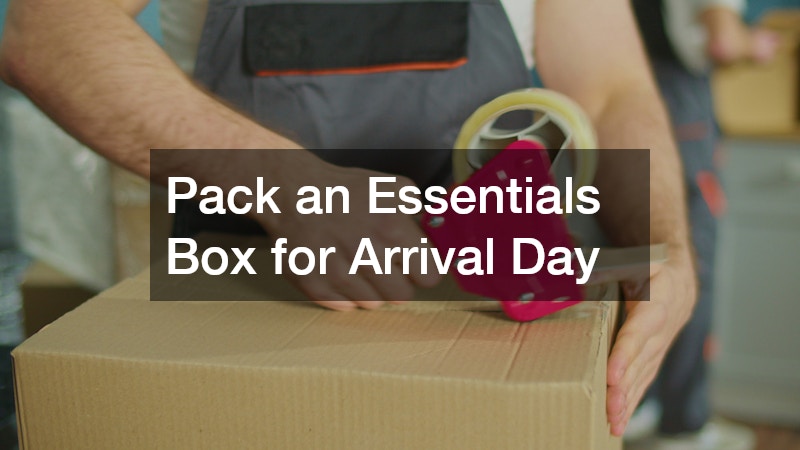
3. Pack an Essentials Box for Arrival Day
Include Basic Toiletries and Clothes
Set aside a change of clothes, pajamas, and personal care items for each family member. Having immediate access to toothbrushes, soap, and towels means you do not have to dig through taped boxes on your first night in the new home.
Pack Vital Electronics and Chargers
Keep essential electronics together in your arrival kit. Include phones, laptops, power banks, and necessary charging cables. Having these devices powered up ensures you remain connected with family and your move team throughout the transition.
Keep First Aid and Snacks Handy
Store basic medical supplies, prescription medications, water bottles, and non-perishable snacks in your essentials box. Having quick access to nourishment and simple medical remedies prevents unnecessary trips to the store during your first hours in a new space.
4. Streamline Your Inventory and Packing Strategy
Group Items by Room
Pack items based on the specific room they belong to in your new layout. This structured approach simplifies the unloading process for helpers and keeps similar items organized together.
Label Every Box Clearly
Mark the top and sides of each box with its destination room and a quick list of contents. Color-coded tape or numbered labels help everyone place boxes in the correct rooms immediately upon arrival.
Avoid Overpacking Heavy Boxes
Use smaller boxes for heavy items like books, cookware, and tools. Place lighter items like linens and pillows in larger containers. Balanced weight distribution protects your belongings from box breakage and reduces physical strain.
5. Prepare Your New Home and Utilities Ahead of Time
Schedule Utility Connections Early
Arrange for electricity, water, gas, and internet services to be active a day before you arrive. Stepping into a well-lit home with running water and working climate control makes arrival day far more comfortable.
Transfer Essential Records
Update your official address with banks, government agencies, insurance providers, and subscription services before moving day. Setting up mail forwarding with the postal service ensures important notices reach your new mailbox without delay.
Plan Your Arrival Route
Research your travel route carefully, taking into account vehicle size, toll roads, and weather forecasts. Map out overnight stops and parking arrangements that safely accommodate your personal vehicle or rental truck.
A successful long-distance move comes down to systematic preparation, smart packing habits, and reliable support. By starting early, organizing your inventory, and packing a dedicated kit for your arrival night, you set yourself up for a hassle-free transition.