Protect and Transform Your Home Expert Services for Roofing, Siding, Painting, and Remodeling
Introduction
Maintaining and improving a home requires more than occasional repairs or seasonal cleaning—it demands a strategic, proactive approach to ensure long-term value, safety, and comfort. From structural systems like roofing and siding to aesthetic upgrades such as paint and interior remodeling, every element contributes to the functionality and appeal of your property. Neglecting one aspect can have ripple effects, leading to costly repairs or diminished living quality over time.
A well-rounded home improvement strategy combines routine maintenance, timely repairs, and thoughtfully planned renovations. Engaging qualified professionals ensures that projects are completed efficiently, safely, and in compliance with building codes, while also enhancing the overall aesthetic appeal of your property. This guide provides a comprehensive overview of essential home services, offering practical insights and actionable steps to protect and transform your home.
We will explore exterior upgrades, painting and coating strategies, roofing care and roof repairs, paving, indoor remodeling, and long-term maintenance planning. By understanding each area in depth, homeowners can make informed decisions that preserve their investment, enhance comfort, and increase property value.
Protecting and Enhancing Exterior Surfaces
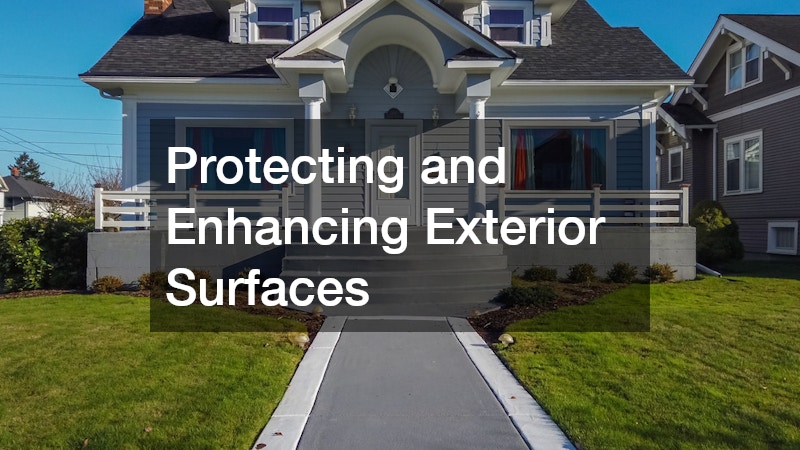
Maintaining your home’s exterior is essential for both appearance and protection. Siding and other exterior finishes shield your home from harsh weather, temperature fluctuations, and moisture, while also providing insulation and improving curb appeal.
Key considerations include:
- Inspecting siding for cracks, warping, or discoloration
- Maintaining paint or sealant layers to prevent moisture infiltration
- Ensuring gutters and downspouts function properly to protect walls and foundations
Working with siding contractors can make a substantial difference in quality and longevity. These professionals bring experience in proper installation, repair, and material selection. Choosing the right siding material, such as vinyl or hardboard siding, ensures durability, low maintenance, and resistance to weather-related wear. Hardboard siding offers a classic aesthetic and strong protection when treated and maintained properly.
Additional steps for exterior protection:
- Schedule regular inspections to detect early signs of damage
- Clean surfaces periodically to remove mold, mildew, or debris
- Repair minor damages promptly to prevent structural issues
A proactive approach to exterior maintenance preserves structural integrity while enhancing the visual appeal and energy efficiency of your home.
Professional Painting Services for Longevity and Style
A fresh coat of paint can dramatically improve a home’s appearance while providing essential protection for surfaces. Professional painting services ensure that walls, trim, and other surfaces are properly prepared, coated, and sealed for long-lasting results.
When hiring a painting company, consider the following:
- Surface preparation, including scraping, sanding, and priming
- Choosing high-quality paints with appropriate finishes for exterior and interior surfaces
- Addressing any underlying damage, such as cracks or water infiltration, before painting
Lead paint inspection services are especially important for older homes built before 1978. Professionals can assess the presence of lead-based paint and implement safe removal or encapsulation methods to protect occupants from health hazards.
Benefits of professional painting:
- Consistent, high-quality finish with better durability
- Time and labor savings compared to DIY methods
- Proper handling of hazardous materials and compliance with safety regulations
Regular painting maintenance with a profesional painting company extends the life of your siding, reduces the risk of water damage, and maintains curb appeal, making it a worthwhile investment for homeowners.
Maintaining and Repairing Roofs for Safety
A home’s roof is its first line of defense against the elements. Regular inspections and maintenance are essential to prevent leaks, structural damage, and costly roof repairs.
Key strategies for maintaining your roof include:
- Scheduling inspections before and after severe weather events
- Checking for missing or damaged shingles, cracks, and signs of wear
- Cleaning gutters and downspouts to prevent water accumulation
Engaging a reputable roofing company ensures that inspections and repairs are conducted efficiently and safely. Roof damage repair may include:
- Replacing damaged shingles or tiles
- Fixing leaks around chimneys, vents, and skylights
- Repairing underlying structural damage
Proactive roof care:
- Document inspection results and repair history
- Address minor issues immediately to prevent larger problems
- Consider upgrades to more durable or energy-efficient roofing materials
Routine maintenance and timely repairs protect the home’s interior, improve energy efficiency, and extend the overall lifespan of the roof.
Optimizing Outdoor Spaces with Paving and Landscaping

Driveways, walkways, and patios contribute to both functionality and curb appeal. Proper installation and maintenance are essential to ensure longevity and safety.
Tips for paving and landscape optimization include:
- Selecting the right materials for your driveway and walkways, considering durability and aesthetics
- Ensuring proper grading and drainage to prevent water pooling and surface cracking
- Scheduling regular maintenance to seal and repair paved surfaces
Working with a paving company ensures precise installation and adherence to structural requirements. Driveway paving services typically include:
- Preparing the base to prevent future settling or cracking
- Installing asphalt, concrete, or paver surfaces with proper alignment
- Applying protective coatings and sealants to extend the life of the surface
Landscaping integration and driveway paving services enhances both usability and visual appeal:
- Incorporate decorative borders, retaining walls, or drainage solutions
- Maintain lawn and vegetation around paved areas to prevent erosion
- Combine paving projects with other outdoor upgrades, such as patios or walkways
Proper paving and landscaping improve property safety, usability, and long-term value.
Enhancing Indoor Living with Kitchen Renovations
Kitchens are often the heart of the home, serving as both a functional workspace and a social hub. A thoughtfully executed kitchen renovation not only improves workflow and aesthetics but also increases property value and long-term usability. Proper planning is essential for avoiding costly mistakes and ensuring that the final design complements the overall home.
Key strategies for kitchen renovation:
- Evaluate layout for functionality: Consider the “work triangle” concept, which connects the sink, stove, and refrigerator. Efficient layouts reduce unnecessary steps and improve cooking flow. Include adequate counter space and storage solutions to accommodate appliances, cookware, and everyday items.
- Choose durable and energy-efficient materials: Opt for countertops made from quartz, granite, or engineered stone. Select cabinets with high-quality finishes that resist moisture, scratches, and wear. Flooring options like ceramic tile or engineered hardwood combine durability with aesthetic appeal. Energy-efficient appliances reduce utility costs and environmental impact.
- Upgrade lighting and ventilation: Layered lighting—including task, ambient, and accent lighting—enhances both functionality and ambiance. A high-quality range hood or ventilation system helps remove smoke, steam, and odors while maintaining air quality.
Collaborating with experienced contractors ensures that:
- Renovations meet local building codes and safety standards
- Material selection balances style, durability, and budget considerations
- The project timeline is optimized to minimize disruption to daily life
Additional tips for a successful kitchen remodel:
- Open-concept designs: Removing barriers between the kitchen and living spaces improves flow and creates a sense of openness, especially in smaller homes.
- Incorporate modern technology: Smart appliances, touchless faucets, and integrated charging stations add convenience and functionality.
- Plan for future needs: Include flexible storage, modular cabinetry, and spaces that can accommodate changing lifestyles or additional family members.
- Finishing touches: Backsplashes, cabinet hardware, and coordinated color palettes enhance the visual appeal and can make a lasting impression on potential buyers.
Maintenance and Longevity
After renovation, maintaining kitchen surfaces, appliances, and cabinetry is crucial. Regular cleaning, prompt repairs, and periodic inspections of plumbing and electrical systems prevent long-term wear and unexpected damage. Incorporating sustainable practices, such as energy-efficient appliances and water-saving fixtures, further maximizes the return on investment.
A well-planned and professionally executed kitchen renovation creates a functional, aesthetically pleasing, and enduring space that elevates both daily living and overall property value.
Basement Remodeling for Expanded Living Space
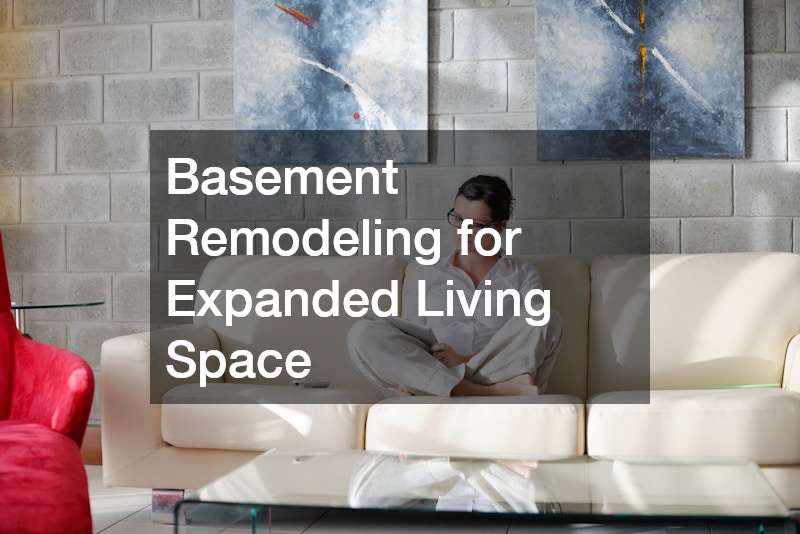
Basements often represent untapped potential for creating functional and versatile living areas. Whether you want a home theater, office, guest suite, or recreational room, a well-designed basement remodel adds usable square footage and increases property value. However, proper planning is essential to address challenges such as moisture, insulation, and structural integrity.
Basement remodeling tips:
- Waterproofing: Basements are naturally prone to moisture intrusion. Seal walls and floors using high-quality sealants and waterproof coatings. Consider installing sump pumps or drainage systems to prevent flooding.
- Insulation: Proper insulation improves comfort and energy efficiency. Rigid foam boards, spray foam, or insulated panels can regulate temperature while preventing condensation.
- Space optimization: Design layouts that maximize usable space while keeping pathways clear. Consider multi-functional furniture, built-in storage, and partitioning for different activities.
Collaborating with remodeling contractors ensures:
- Compliance with building codes for safety and structural integrity
- Safe installation of electrical, plumbing, and HVAC systems
- Durable and high-quality finishes that withstand basement conditions
Additional considerations:
- Lighting: Basements often lack natural light, so incorporating a mix of ambient, task, and accent lighting creates a bright, inviting space. Consider adding light wells or egress windows where feasible.
- Storage: Built-in shelving, under-stair storage, and closet solutions reduce clutter while maintaining a clean aesthetic.
- Soundproofing: Sound insulation improves privacy, especially for home theaters, offices, or recreational areas. Acoustic panels, carpets, and insulated walls can minimize noise transmission.
- Flooring: Choose materials resistant to moisture and mold, such as vinyl planks, engineered wood, or treated concrete. Area rugs can add comfort and warmth.
Maintenance and Longevity
Maintaining a basement remodel requires periodic inspections for leaks, HVAC function, and electrical safety. Ensure that waterproofing and drainage systems remain operational and clean. Routine checks prevent mold growth, structural issues, and long-term damage, preserving both the functionality and value of the space.
A professionally executed basement remodel transforms an underutilized area into a practical, enjoyable, and high-value part of your home, offering endless possibilities for family activities, work, and entertainment.
Ensuring Safety and Compliance During Home Improvements
Home improvement projects carry inherent risks. Structural weaknesses, outdated wiring, lead-based paint, and other hazards can compromise safety if not addressed properly. Ensuring compliance with safety standards protects residents, workers, and your investment.
Safety strategies include:
- Lead paint inspection services: Homes built before 1978 may contain lead-based paint, which poses serious health risks, particularly for children and pregnant adults. Certified inspectors assess the presence of lead and recommend safe removal or encapsulation procedures.
- Code compliance: Verify that all contractors follow local building codes, including electrical, plumbing, and structural requirements. This ensures safety, reduces liability, and avoids costly fines or rework.
- Protective measures: Use personal protective equipment (PPE), ventilation systems, and dust containment during construction or renovation. Ensure hazardous materials are handled according to safety regulations.
Benefits of professional safety oversight:
- Reduces the likelihood of accidents during construction
- Prevents exposure to harmful substances like lead or asbestos
- Provides documentation for insurance claims and resale purposes
Regular inspections before, during, and after renovations help identify potential hazards early, allowing for timely intervention. Maintaining accurate records of all inspections, repairs, and upgrades protects homeowners and ensures peace of mind.
Coordinating Multiple Projects Efficiently
Many homeowners undertake several home improvement projects simultaneously, from roofing and siding upgrades to interior remodeling. Without coordination, projects can experience delays, increased costs, or miscommunication among contractors.
Tips for efficient project coordination:
- Master schedule: Create a detailed timeline that includes start and end dates for each project. Include dependencies and prioritize tasks based on urgency and impact.
- Budgeting: Allocate funds for routine maintenance, unexpected issues, and potential upgrades. Set aside contingency funds to address unforeseen circumstances.
- Combine related projects: Schedule projects that overlap or complement each other to minimize disruption. For example, coordinate siding replacement with exterior painting.
- Record keeping: Track inspections, permits, and project milestones to ensure accountability and continuity.
Contractor management:
- Build strong relationships with reliable contractors to ensure quality, availability, and responsiveness
- Maintain open communication regarding expectations, progress, and adjustments
- Review contractor performance and provide feedback to enhance collaboration
Coordinating projects efficiently reduces stress, ensures timely completion, and maximizes the value of your home improvement investments.
Long-Term Planning for Home Value and Comfort

Long-term planning is essential for preserving your home’s value, preventing costly repairs, and maintaining comfort. By identifying priority projects and proactively managing maintenance, homeowners can extend the lifespan of their property and optimize its functionality.
Key strategies:
- Evaluate ROI: Determine which upgrades, such as kitchen renovations, basement remodeling, or roof replacements, offer the greatest return on investment.
- Routine maintenance schedules: Regularly inspect and maintain roofing, siding, HVAC, plumbing, and other systems to prevent deterioration.
- Upgrade systems proactively: Install energy-efficient appliances, insulation, and durable materials to reduce future costs and improve performance.
- Monitor emerging issues: Address problems early, such as minor leaks, cracks, or wear, to prevent escalation and expensive repairs.
Benefits of proactive planning:
- Increased property value and resale appeal
- Improved home comfort and energy efficiency
- Reduced stress and financial strain due to unexpected repairs
A strategic, long-term approach allows homeowners to enjoy a well-maintained, functional, and aesthetically pleasing home while protecting their investment for years to come.
Conclusion
Protecting and transforming a home requires a combination of routine maintenance, strategic upgrades, and professional expertise. By focusing on critical areas such as exterior surfaces, roof damage repair, painting, roofing, paving, kitchen and basement remodeling, and safety compliance, homeowners can extend the lifespan of their property, improve functionality, and enhance visual appeal.
Engaging qualified professionals—including painting companies, siding contractors, roofing specialists, remodeling contractors, and a paving company — ensures high-quality results, compliance with regulations, and long-term performance. Proactive planning, regular inspections, and timely repairs help manage costs, reduce risks, and maximize home value.
Taking a comprehensive, strategic approach allows homeowners to create a safe, comfortable, and visually appealing environment while protecting their investment for years to come.