
How to Make Life Easier When an Elderly Parent Moves In
Bringing an aging loved one into your home is one of the most meaningful and complex transitions a family can make. It combines emotional connection, responsibility, and long-term planning in a way that reshapes daily life for everyone involved. When an elderly parent moves into your household, you are not simply offering a spare room; you are creating a shared living environment that must support health, dignity, independence, and comfort at every stage. That requires more than goodwill. It involves careful preparation, communication, and an understanding of how aging affects mobility, memory, energy levels, and personal routines.
Every family experiences this change differently. Some parents arrive after a medical event, while others choose to move in gradually as maintaining their own home becomes more difficult. In either case, it is normal to feel overwhelmed. Your home may not be designed for aging in place, your schedule may be stretched thin, and emotions can run high on both sides. Yet with the right approach, this transition can also strengthen family bonds and provide peace of mind for everyone involved.
The goal is not to eliminate challenges, but to create systems that make daily life easier, safer, and more predictable. When a household adapts thoughtfully, an elderly parent moves into a space where they can still feel respected and in control while receiving the support they need. The following sections explore the most important areas to address, from physical space and household logistics to emotional well-being and long-term care planning, so that this new chapter can be approached with confidence rather than stress.
Creating a Safe and Accessible Living Environment
The physical environment plays one of the most important roles when an elderly parent moves into your home. A space that feels safe, accessible, and intuitive reduces the risk of accidents while helping your loved one maintain independence. Many homes are designed around younger, more mobile residents, which means small changes can make a dramatic difference in daily comfort and usability for an older adult.
Start by walking through your home with fresh eyes. Look at doorways, hallways, and flooring. Loose rugs, cluttered walkways, and uneven thresholds may seem harmless, but they can become serious fall hazards. Clear, wide paths allow for walkers or wheelchairs if those become necessary. Installing brighter lighting, especially in hallways and stairwells, helps compensate for age-related vision changes and makes nighttime movement safer.
Bathrooms and kitchens deserve special attention. Grab bars near toilets and inside showers provide stability. Non-slip mats and walk-in showers can significantly reduce fall risks. In the kitchen, frequently used items should be stored at waist or shoulder height to prevent excessive reaching or bending. These adjustments support daily routines and reduce strain on joints and muscles.
As you create this safer environment, remember that comfort matters as much as function. Personal touches, such as familiar furniture, photos, and décor, help your loved one feel at home rather than like a guest. This emotional grounding becomes especially important as an elderly parent moves into a new space that may initially feel unfamiliar or overwhelming.
In the process of making room, many families rely on local junk removal services to clear out old furniture, broken items, or unnecessary clutter. Removing excess belongings opens up space for mobility aids, seating areas, and storage solutions that better suit aging needs. A clean, organized home is easier to navigate and maintain, which benefits everyone living there. Thoughtful planning of the physical space allows your loved one to move freely, rest comfortably, and participate in daily activities without constant assistance. That balance between safety and independence is what transforms a house into a supportive home when an elderly parent moves in.

Managing the Physical Move and Transition Process
The logistics of moving can be exhausting for anyone, but they can be especially taxing for an older adult. Packing, lifting, sorting, and traveling can strain the body and heighten anxiety, particularly when leaving a long-time residence filled with memories. When an elderly parent moves, careful coordination helps reduce stress and protects both their physical and emotional well-being.
Planning should begin well before moving day. Create a clear timeline that includes packing, transportation, and setting up the new living space. Break tasks into manageable steps so nothing feels rushed. This approach gives your parent time to process the change emotionally while staying involved in decisions about what to bring, donate, or store. Using local moving companies can take much of the physical burden off your family. Professional movers understand how to handle furniture, appliances, and fragile items safely. Their experience allows the move to proceed efficiently, reducing the time your parent spends in transition. That stability matters when routines and familiarity are already being disrupted.
For older adults, choosing a senior moving company can offer even greater peace of mind. These specialists are trained to work with older clients, often providing packing assistance, labeling systems, and gentle communication throughout the process. Their goal is not only to move belongings but to make sure the person feels supported and respected. Once everything arrives, take time to set up the new space in a way that feels familiar. Arrange furniture similarly to how it was in their previous home when possible. Place personal items within easy reach. Even small details, like having a favorite chair or bedside lamp in the same relative position, can provide comfort during this adjustment.
Adapting Your Home for Long-Term Comfort and Function
Welcoming an aging loved one into your home often means thinking beyond immediate needs and preparing for the future. Aging is a gradual process, and a home that works well today may need to support changing mobility, strength, and health over time. When an elderly parent moves in, adapting the living space for long-term comfort can prevent future disruptions and costly emergencies.
One of the most effective steps is consulting a home remodeler who understands accessibility and aging-in-place design. Simple changes, such as widening doorways, lowering countertops, or installing lever-style door handles, can make daily tasks easier and reduce physical strain. These upgrades allow your loved one to navigate the home more independently.
Bathrooms are often the first areas to require modification. Walk-in tubs, raised toilets, and roll-in showers are not just conveniences; they are safety features that protect against falls and injuries. Kitchen remodels may include pull-out shelves, soft-close drawers, and appliances with easy-to-read controls.
The goal of remodeling is not to make the home feel clinical, but to create an environment that feels welcoming while quietly supporting aging needs. Thoughtful design blends into the background, allowing your parent to focus on living rather than managing obstacles.

Supporting Daily Health and Personal Care Needs
Daily health and personal care become increasingly important as people age, and providing consistent support can be challenging for families balancing work, children, and other responsibilities. When an elderly parent moves into your home, creating a reliable care routine helps ensure their physical needs are met without overwhelming any single caregiver.
Many families benefit from in home care professionals who assist with activities such as bathing, dressing, medication reminders, and mobility. These caregivers bring experience and training that allow them to recognize early signs of health issues while providing respectful, compassionate support. Their presence can also give family members much-needed respite.
In addition to hands-on assistance, home care services often include meal preparation, light housekeeping, and companionship. These services help maintain a consistent daily rhythm, which is especially important for older adults who may struggle with memory or anxiety. Predictable routines create a sense of stability and reduce confusion.
When outside help is involved, communication is key. Make sure everyone understands the care plan, medication schedules, and any special instructions from healthcare providers. Regular check-ins allow adjustments to be made as needs change. As an elderly parent moves into your home, the combination of family involvement and professional support creates a balanced care environment. Your loved one receives the help they need while still enjoying meaningful independence, and you gain confidence knowing their health is being monitored and supported every day.
Improving Indoor Comfort and Overall Wellness
The quality of your home’s environment can have a significant impact on an older adult’s health. Air and water quality, temperature control, and noise levels all affect comfort and well-being. When an elderly parent moves in, paying attention to these factors helps create a healthier living space.
One often overlooked element is drinking water. Installing home water filtration systems ensures that your loved one has access to clean, great-tasting water free from contaminants. Proper hydration is critical for digestion, circulation, and medication effectiveness, making this a simple but powerful upgrade.
Indoor air quality also matters. Older adults may be more sensitive to dust, mold, and chemical odors. Regular cleaning, proper ventilation, and the use of air purifiers can help reduce respiratory irritation and allergies. Maintaining a stable indoor temperature prevents discomfort and supports overall health.
Enhancing Mobility and Independence Throughout the Home
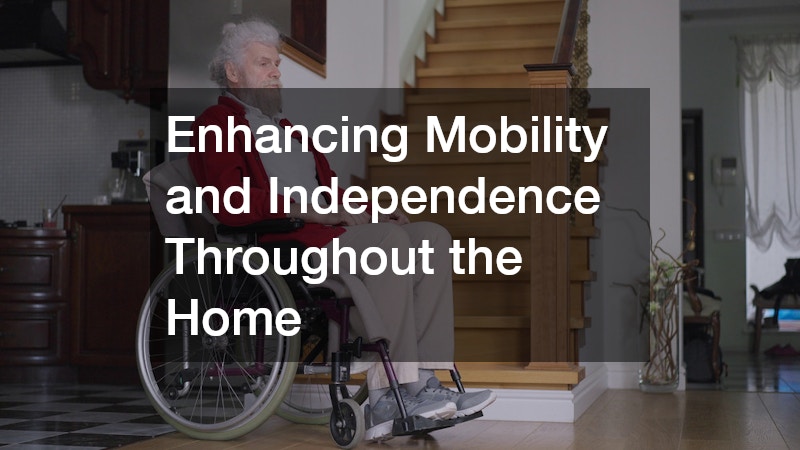
Mobility often becomes one of the biggest challenges of aging, especially in multi-level homes. Stairs, narrow hallways, and uneven surfaces can quickly limit independence. When an elderly parent moves into your household, addressing these barriers early can prevent accidents and preserve freedom of movement.
Installing a stair lift service is one of the most effective ways to make a two-story home accessible. These systems allow your loved one to travel safely between floors without the strain or risk of climbing stairs. They also reduce the likelihood that certain areas of the home become off-limits.
Other mobility aids may include handrails, ramps, or widened doorways. Even small adjustments, such as replacing doorknobs with lever handles, can make a difference for arthritic hands. These features allow your parent to move about with confidence rather than hesitation. Maintaining mobility is not only about physical safety; it also supports mental health. Being able to access different rooms, go outside, or participate in household activities fosters a sense of inclusion. When an elderly parent moves freely through their environment, they remain more engaged and less isolated.
Maintaining a Welcoming and Familiar Atmosphere
A home should feel warm, inviting, and personal, especially during times of transition. When an elderly parent moves in, the emotional experience of leaving a long-time home can be just as challenging as the physical changes. Creating a familiar and comforting atmosphere helps ease this adjustment.
Freshening up walls with a residential painter can make rooms feel brighter and more uplifting. Choosing calming colors or shades that your parent loves adds a sense of ownership to their new space. A well-painted room feels cared for, which can make the environment more emotionally supportive.
Beyond paint, focus on personal touches. Display family photos, favorite artwork, and keepsakes that tell the story of your loved one’s life. These items create continuity between their past and present, making the new space feel like an extension of who they are.
Planning for Evolving Care and Future Needs
The final piece of making this transition successful is preparing for the future. Aging is not static, and needs will change over time. When an elderly parent moves into your home, proactive planning allows you to adapt without constant crisis management.
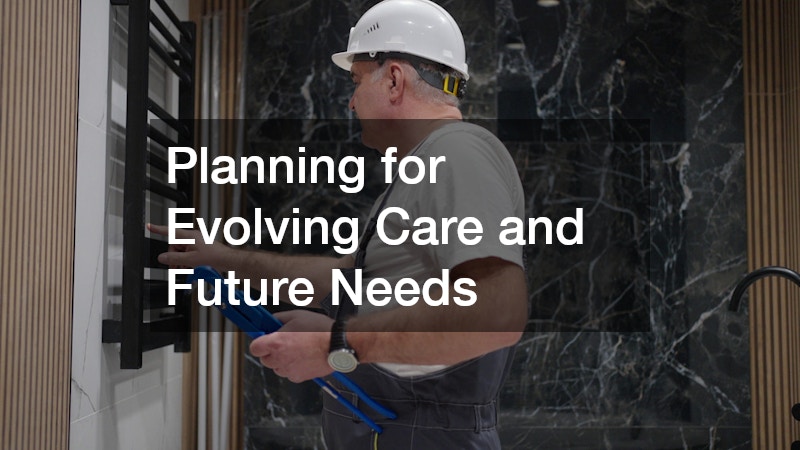
One important consideration is working with bath remodeling contractors to ensure that bathrooms remain safe and accessible. As mobility changes, features like walk-in tubs, handheld showerheads, and raised vanities become essential. Planning these upgrades early prevents rushed decisions later.
Legal and financial planning should also be part of the conversation. Discuss medical directives, power of attorney, and long-term care preferences openly. Having these matters settled provides clarity and reduces stress during emergencies.
Continue to evaluate care arrangements regularly. What works today may need to be adjusted in six months or a year. Regular check-ins with healthcare providers and caregivers ensure that support remains aligned with your parent’s needs. When families stay flexible and informed, they create a living arrangement that can evolve gracefully. As an elderly parent moves through different stages of life, your home remains a stable, supportive place where they can age with comfort, respect, and security. Bringing an aging loved one into your household is a profound act of care. With thoughtful preparation, open communication, and the right resources, this transition can become a positive and deeply meaningful chapter for everyone involved.