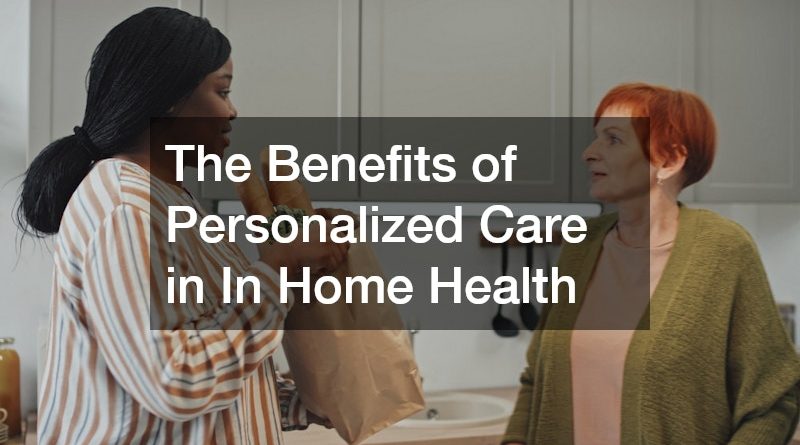
The Benefits of Personalized Care in In Home Health
As healthcare continues to evolve, the focus has shifted from one-size-fits-all approaches to more individualized care strategies. One area where this shift is particularly impactful is in home care. In-home health services provide patients with professional medical support in the comfort of their own homes, allowing for a higher degree of personalization than traditional clinical settings. Personalized care in home health not only addresses the medical needs of patients but also supports their emotional and psychological well-being, resulting in improved outcomes and overall satisfaction.
Enhanced Comfort and Familiarity
One of the primary advantages of personalized care in in-home health is the comfort and familiarity it provides. Hospitals and clinics, while equipped with advanced technology, can often feel impersonal and intimidating.
For elderly patients, those with chronic conditions, or individuals recovering from surgery, being in a familiar environment can significantly reduce stress and anxiety. Personalized care allows healthcare providers to adapt routines and treatments to the patient’s home environment, making the process less disruptive and more supportive.
For example, a patient recovering from a hip replacement may require specific exercises, medication schedules, and dietary adjustments. In an in-home care setting, caregivers can ensure that these requirements are met while considering the patient’s home layout, preferences, and daily routines. This level of individualized attention is difficult to achieve in a busy hospital ward, where staff are responsible for numerous patients at once. By providing care in a familiar environment, in-home health services help patients feel more secure, which can lead to faster recovery and better adherence to treatment plans.
Personalized Health Monitoring and Care Plans
Another key benefit of personalized care in in-home health is the ability to closely monitor patients and tailor care plans accordingly. Unlike traditional healthcare settings, in-home health providers can track subtle changes in a patient’s condition over time. Regular check-ins, both in-person and through telehealth solutions, allow for real-time adjustments to treatment plans, ensuring that each patient receives the most effective care.
For instance, a patient with diabetes might benefit from personalized monitoring of blood sugar levels, diet, and activity. An home health professional can provide guidance based on the patient’s daily patterns, offering advice and modifications that are specific to their lifestyle. This proactive approach can prevent complications, reduce hospital readmissions, and enhance the patient’s quality of life. Personalized care in in-home care is not just about administering treatments—it is about creating a dynamic, responsive care plan that evolves with the patient’s needs.
Moreover, the one-on-one nature of home health care fosters strong relationships between patients and caregivers. These relationships can improve communication, as patients are more likely to express concerns or changes in their condition when they trust their provider. This trust enables healthcare professionals to make informed decisions and provide interventions that are both effective and aligned with the patient’s preferences and values.
Increased Emotional Support and Well-being
While physical health is the primary focus of many healthcare services, personalized care in in-home care also addresses emotional and psychological well-being. Patients who receive care at home often experience a greater sense of independence and dignity compared to those in institutional settings. Being surrounded by familiar surroundings, family members, and personal belongings contributes to emotional stability, which can positively influence recovery.
Caregivers providing in-home health services can incorporate personalized activities and routines that promote mental and emotional wellness. Simple gestures, such as engaging in conversation, assisting with hobbies, or providing companionship, can significantly reduce feelings of isolation and depression. For patients with chronic illnesses or limited mobility, these interactions are crucial for maintaining a positive outlook. By addressing both the medical and emotional aspects of care, personalized in-home care services support a holistic approach to well-being.
Additionally, family involvement is more seamless in a home care setting. Loved ones can participate in care routines, monitor progress, and receive guidance from professionals. This collaborative approach enhances the patient’s support system and ensures that care extends beyond scheduled visits. Personalized care in home health care is not just about medical treatment—it’s about creating a nurturing environment where patients feel heard, respected, and empowered.
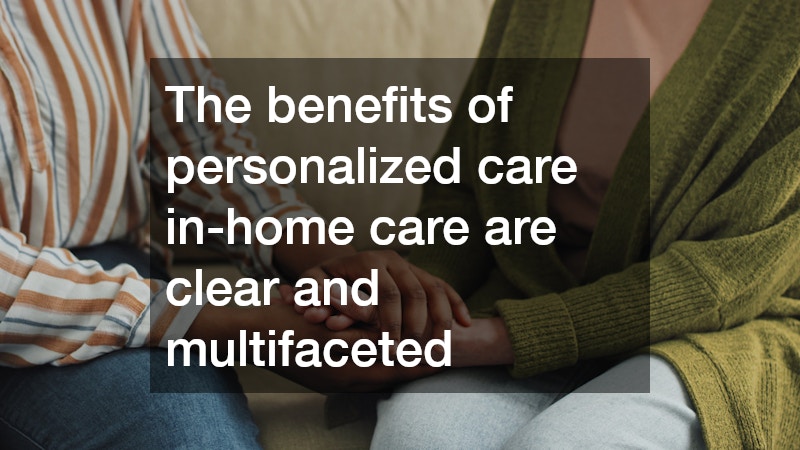
The benefits of personalized care in home care are clear and multifaceted. From enhancing comfort and familiarity to providing tailored health monitoring and emotional support, in-home health services offer a comprehensive approach that addresses the unique needs of each patient. By delivering care in a familiar environment, fostering close patient-caregiver relationships, and incorporating holistic well-being strategies, personalized home care improves outcomes and enriches the patient experience.
As healthcare continues to move toward patient-centered models, the importance of personalized home care will only grow. Families and patients seeking effective, compassionate, and flexible care can greatly benefit from the tailored approach that in-home health services provide. By prioritizing individuality and holistic support, personalized care ensures that patients not only recover more effectively but also enjoy a higher quality of life throughout the process.