Is Elder Care the Right Option for Your Loved One?
Elder care refers to a variety of services designed to assist older individuals with their daily living needs and ensure their safety and well-being. As our loved ones age, their ability to manage routine activities and maintain their previous lifestyles often changes. This shift creates a necessity for additional support, and elder care options are specifically tailored to address these growing needs effectively.
By offering a blend of medical, social, and personal care services, elder care aims to enhance the quality of life for seniors. Understanding the various aspects of elder care is the first step in determining whether it is the right option for your loved one.
Additionally, elder care provides peace of mind for family members concerned about the health and safety of their aging relatives. With professional caregivers equipped to handle a variety of situations, families can rest assured that their loved ones are in capable hands. This reassurance is invaluable, especially when family members are unable to be present due to work commitments or geographical distance. Furthermore, elder care providers are trained to offer compassionate and respectful support, recognizing the unique emotional and physical needs of the elderly. This level of care ensures that seniors receive the attention and assistance they deserve.
Assessing the Needs of Your Loved One
The first step in determining if elder care is right for your loved one is to thoroughly assess their current needs. Consider their physical health, cognitive abilities, and daily routines to gain a comprehensive understanding of their situation. Engaging in open conversations with your loved one about their preferences and concerns is also important, as it can guide you in choosing the most suitable elder care option. This dialogue can help uncover potential issues that may not be immediately visible and ensure that all parties are on the same page regarding care decisions. Through this collaborative approach, you can make well-informed choices that align with your loved one’s wishes.
Assessing your family’s capacity to provide care is another critical factor in this decision-making process. While family members might initially step in to help, the demands of caregiving can become overwhelming without adequate support. Evaluating the physical, emotional, and financial implications of caregiving will help determine the sustainable level of assistance you can provide. Recognizing the limitations of home care and the benefits of professional elder care services can highlight the importance of striking an appropriate balance. Ultimately, determining the right elder care solution often involves a combination of family involvement and professional assistance.
Exploring Different Elder Care Options
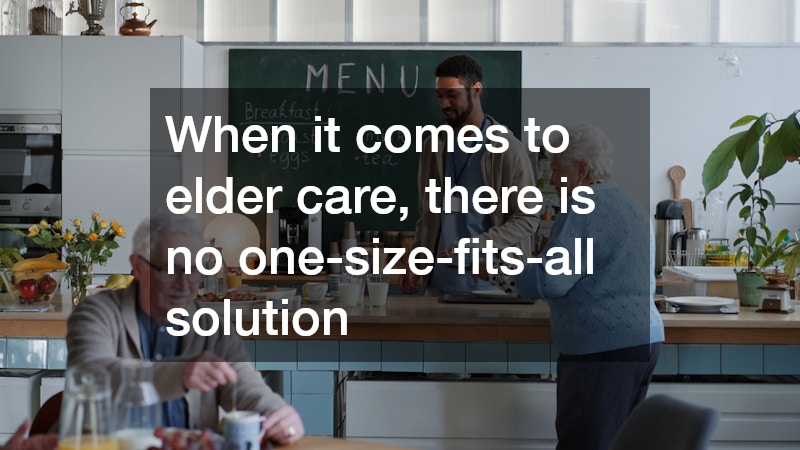
When it comes to elder care, there is no one-size-fits-all solution, as each individual’s needs and preferences are unique. One widely recognized option is in-home care, which allows seniors to receive assistance in the comfort of their own homes. This option is ideal for those who prefer to stay in a familiar environment and maintain a certain level of independence. In-home care services can include everything from meal preparation and housekeeping to personal care and medical management. By tailoring the level of support to match individual needs, in-home care provides a customizable approach to elder care.
For those with advanced medical needs or severe cognitive impairments, skilled nursing facilities may be necessary to ensure proper care. These facilities are equipped to handle complex medical conditions, providing 24/7 monitoring and specialized therapies. While it may be challenging for some families to consider such a step, skilled nursing is sometimes essential for the health and safety of their loved one. It’s important to engage in thorough research and visit potential facilities to ensure that they meet high standards of care. Ultimately, choosing the right elder care option involves evaluating the benefits and limitations of each choice to find the best fit.
Making the Right Decision
Ultimately, determining whether elder care is the right option for your loved one requires careful consideration of their unique needs and circumstances. By understanding the various elder care possibilities, families can ensure their loved ones receive the essential support they deserve. Open communication with seniors, assessing both immediate and long-term care needs, and seeking professional advice are all critical components of the decision-making process. It is through this comprehensive evaluation that families can make an informed choice that facilitates an enriching and safe environment for their loved ones.
As we navigate the complexities of elder care, patience and empathy are paramount. Listening and responding to the emotional and practical concerns of your loved one ensures a compassionate approach. By extending patience and actively engaging with your loved ones’ care team, you can facilitate a transition that fosters respect, dignity, and joy. Making the right decision on elder care is about enhancing safety, well-being, and happiness, reflecting a commitment to the loved ones we cherish. With thoughtful planning and support, elder care can indeed be the right option for your loved one.