
Backyard Ideas That Add Function and Style to Your Home
Transforming an outdoor space into something that feels intentional, practical, and visually appealing takes more than picking out furniture or planting a few shrubs. The most successful backyard designs are rooted in thoughtful planning, a clear understanding of how the space will be used, and an appreciation for how form and function can work together. Whether you envision your yard as a place to entertain guests, relax with family, or simply enjoy a more polished extension of your home, the right approach can elevate it far beyond a patch of grass.
Today’s homeowners are increasingly focused on outdoor environments that serve multiple purposes. A backyard can act as an entertainment hub, a personal retreat, or even a functional workspace depending on your lifestyle. When designed with intention, these spaces improve daily living while also enhancing property value. Well-executed backyard ideas often incorporate durable materials, practical layouts, and cohesive aesthetics that complement the home itself.
Another important consideration is longevity. A stylish yard that requires constant repair or excessive upkeep can quickly become a burden. Smart design choices balance visual impact with durability and maintenance needs. This means thinking about drainage, soil conditions, sun exposure, and how different features interact over time. Investing in proper groundwork and professional insight early in the process often prevents costly adjustments later.
Ultimately, creating a backyard that adds both function and style is about aligning your vision with realistic planning. From structural improvements to comfort-focused enhancements, each element should serve a purpose while contributing to the overall look and feel of the space. The following sections explore practical, design-forward strategies that help homeowners turn outdoor areas into cohesive, usable environments built to last.
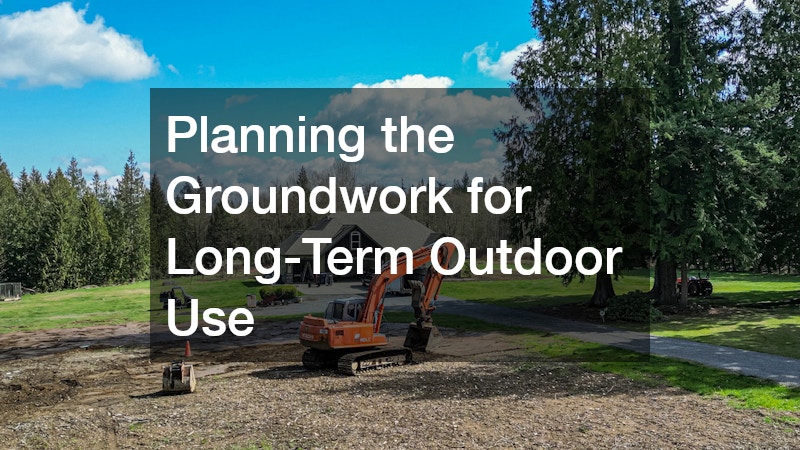
Planning the Groundwork for Long-Term Outdoor Use
A well-designed backyard starts beneath the surface. Before patios, gardens, or entertainment areas come into play, it is essential to understand the land itself. Grading, drainage, and soil stability influence everything that follows, from plant health to structural integrity. Thoughtful groundwork ensures that outdoor features function properly over time rather than shifting, cracking, or collecting water where it should not.
Many homeowners underestimate how much preparation affects the final outcome of their yard. Uneven terrain, poor drainage, or compacted soil can limit design options and lead to ongoing maintenance challenges. Consulting a local excavating contractor during the planning phase can help identify potential issues early and create a stable foundation for future improvements. Proper excavation supports patios, retaining walls, and walkways while also directing water away from the home.
At this stage, it is also helpful to think about how backyard ideas will be used throughout the year. Will the space host large gatherings, or is it primarily for quiet relaxation? Answering these questions guides decisions about layout and load-bearing requirements. For example, entertainment-focused yards may need reinforced bases for seating areas or outdoor kitchens, while garden-centered spaces benefit from soil amendments and defined planting zones.
A local land surveyor can further refine planning by confirming property boundaries and elevation changes. This information is especially valuable when installing permanent structures or making changes near fence lines. Clear data reduces the risk of future disputes and ensures compliance with local regulations. Together, these preparatory steps create a solid framework that allows design elements to shine without structural concerns overshadowing the finished space.
Designing Social Spaces That Encourage Outdoor Living
Outdoor areas are increasingly treated as extensions of indoor living spaces. Homeowners want environments that feel comfortable, inviting, and suitable for everyday use. Designing social zones within the yard allows families and guests to gather naturally, whether for meals, celebrations, or casual evenings outdoors. Successful layouts prioritize flow, accessibility, and a balance between open and defined areas.
Strategic use of hardscaping services can shape these gathering spaces while adding visual structure to the yard. Patios, walkways, and low walls help define zones without making the space feel closed off. Materials such as stone, concrete, or pavers provide durability while offering a wide range of aesthetic options that complement different architectural styles.
When creating these areas, it is important to think about scale. Oversized patios can overwhelm smaller yards, while undersized ones may feel cramped during use. Furniture placement, traffic flow, and proximity to the house all influence how comfortable the space feels. Shade elements, such as pergolas or umbrellas, also play a role in making outdoor living areas usable during warmer months.
Well-planned backyard ideas often integrate seating and surfaces that encourage interaction. Built-in benches, fire features, or dining zones can anchor the design and make the space feel intentional rather than temporary. By focusing on comfort and usability, homeowners can create outdoor social areas that feel just as welcoming as their indoor counterparts.

Incorporating Water Features for Relaxation and Recreation
Water elements have a unique ability to transform outdoor environments. Whether designed for relaxation, recreation, or visual appeal, they introduce movement and sound that elevate the sensory experience of a yard. From tranquil fountains to full swimming installations, water features can become the focal point of an outdoor design when thoughtfully integrated.
Working with swimming pool companies allows homeowners to explore options that align with both space constraints and lifestyle needs. Pools are no longer limited to simple rectangles; modern designs include organic shapes, integrated seating, and multi-depth layouts that support different activities. These features make outdoor spaces more versatile and appealing to a wider range of users.
For more customized designs, local custom pool builders can tailor installations to match the surrounding landscape and architectural style of the home. This level of personalization ensures that the pool feels like a natural extension of the yard rather than an afterthought. Material selection, edge treatments, and surrounding surfaces all contribute to the overall cohesion of the space.
Beyond recreation, water features can also enhance relaxation. Even small additions, such as a reflecting pool or water wall, add a calming element that balances more active areas of the yard. When incorporated into broader backyard ideas, water features offer both functional enjoyment and a refined aesthetic that enhances outdoor living.
Managing Transitions Between Natural and Built Elements
One of the most challenging aspects of outdoor design is blending natural landscapes with constructed features. A successful backyard feels cohesive, with smooth transitions between lawns, gardens, and hard surfaces. Achieving this balance requires careful planning and a clear understanding of how different elements interact visually and functionally.
In some cases, removing outdated structures or clearing overgrown areas is necessary before new features can be added. A local demolition service can safely eliminate old patios, sheds, or concrete pads that no longer serve the space. Clearing these elements creates a clean slate and allows for more flexible design choices moving forward.
Guidance from a land development consultant can further support this process by helping homeowners evaluate how changes will impact drainage, accessibility, and long-term usability. This perspective is particularly valuable for larger properties or yards with complex layouts. Professional insight ensures that transitions between natural and built areas are both practical and visually appealing.
Thoughtful landscaping softens the edges of hard surfaces, while pathways guide movement through the space. These design strategies help backyard ideas feel intentional and well-integrated. When transitions are handled carefully, the yard functions as a unified environment rather than a collection of disconnected features.
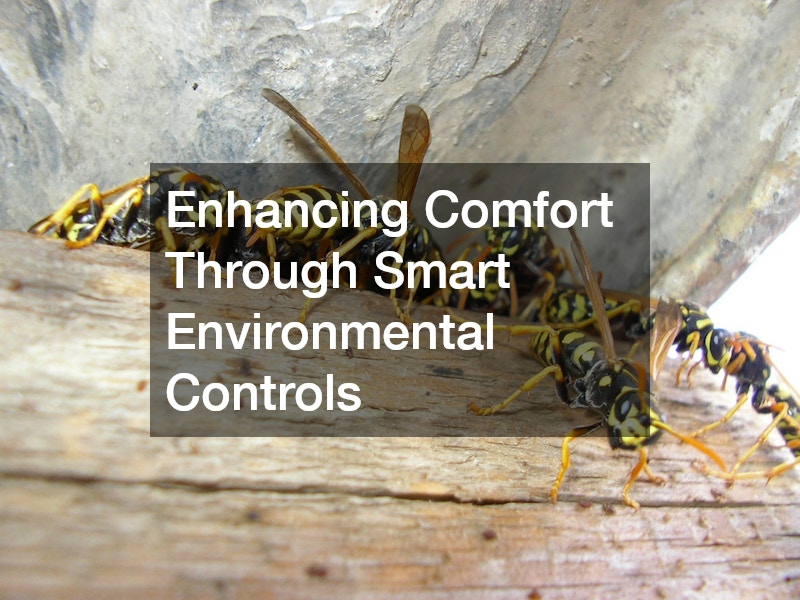
Enhancing Comfort Through Smart Environmental Controls
Comfort plays a central role in how often outdoor spaces are used. Even the most visually impressive yard will go underutilized if it feels uncomfortable due to heat, insects, or environmental wear. Addressing these concerns during the design phase helps create a space that remains inviting throughout the year.
Protective treatments, such as rust proofing, extend the life of metal fixtures, furniture, and structural elements. This is especially important in regions with high humidity or frequent rainfall. By preserving finishes and preventing corrosion, homeowners reduce maintenance demands and keep outdoor spaces looking polished over time.
Managing pests is another critical factor. Collaborating with local pest control professionals helps address issues like mosquitoes, ants, or rodents that can disrupt outdoor enjoyment. Preventative measures and targeted treatments support a more comfortable environment without compromising the surrounding ecosystem.
Shade structures, windbreaks, and strategic planting further enhance comfort by moderating temperature and exposure. These features contribute to backyard ideas that prioritize usability alongside aesthetics. When environmental factors are thoughtfully managed, outdoor spaces become reliable extensions of daily living rather than occasional retreats.
Creating Functional Zones for Everyday Activities
A backyard that supports daily routines feels more valuable than one reserved only for special occasions. Functional zones allow homeowners to use outdoor spaces for work, play, exercise, or quiet reflection. Dividing the yard into purposeful areas encourages consistent use while maintaining visual order. Clear zoning also helps prevent overcrowding, ensuring that each activity has enough space to function comfortably without interfering with others.
Preparing the land for these zones often involves local excavation services to level surfaces or create defined areas. Proper excavation ensures that features like play spaces, garden beds, or workout zones remain stable and safe. Addressing these needs early simplifies future additions and adjustments, particularly when homeowners want the flexibility to adapt the yard as lifestyles change or family needs evolve.
Functional design also considers storage, accessibility, and proximity to the house. For example, a gardening area benefits from nearby water access and tool storage, while a fitness zone may require durable surfaces, adequate drainage, and clear boundaries for movement. Seating areas used for relaxation or remote work may need shade and privacy to remain comfortable throughout the day. By aligning design choices with real-world use, homeowners can develop backyard ideas that feel intuitive and efficient. Functional zones support a wide range of activities without sacrificing the overall aesthetic of the yard, allowing the space to remain both practical and visually cohesive.
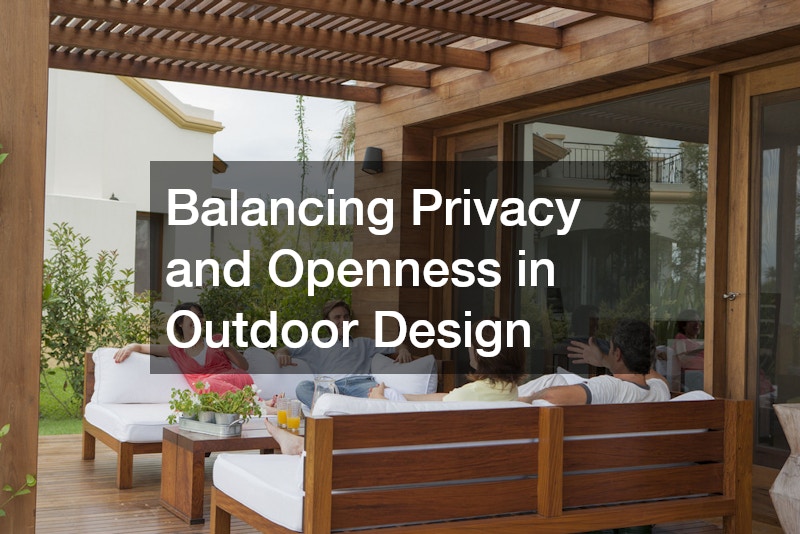
Balancing Privacy and Openness in Outdoor Design
Privacy is an important yet often overlooked aspect of backyard design. While open layouts feel expansive and visually appealing, they may leave homeowners feeling exposed or uncomfortable during everyday use. Thoughtful design balances openness with strategic screening to create comfortable, personal spaces that still feel connected to the surrounding environment. Privacy planning also allows homeowners to enjoy their outdoor areas at different times of day without feeling on display.
Fencing, hedges, and vertical elements define boundaries without making the yard feel enclosed or restrictive. Layered landscaping adds depth while providing visual separation from neighboring properties, streets, or adjacent buildings. Natural screens such as trees, shrubs, and climbing plants soften hard edges and help the space feel calm and welcoming. These features contribute to a sense of retreat that enhances relaxation and long-term enjoyment.
Privacy considerations also influence layout decisions throughout the yard. Seating areas and gathering spaces benefit from partial enclosure to create intimacy, while open lawns maintain a sense of flow and flexibility. This balance allows backyard ideas to serve multiple purposes without compromising comfort, usability, or overall design harmony. When privacy is integrated into the design rather than added as an afterthought, the yard feels cohesive and intentional. Homeowners gain a space that supports both social interaction and personal downtime, making outdoor living more enjoyable and sustainable over time.
Maintaining Cohesion Between the Home and the Landscape
The most effective outdoor designs feel like natural extensions of the home. Consistency in materials, colors, and architectural lines helps bridge the gap between indoor and outdoor spaces. This cohesion enhances visual appeal and reinforces a unified design narrative. Exterior finishes, window styles, and rooflines can inform choices for patios, pathways, and structures. Repeating these elements creates continuity that ties the landscape to the home. Lighting design further supports this connection by highlighting key features and guiding movement after dark.
Thoughtful plant selection also contributes to cohesion. Choosing species that complement the home’s style and thrive in the local climate reduces maintenance while enhancing visual harmony. These decisions ensure that backyard ideas feel intentional rather than pieced together. By maintaining a consistent design language, homeowners create outdoor environments that feel complete and enduring. The result is a backyard that not only adds function and style but also strengthens the overall character of the home.